Inflation and Shopping: Plan Your Basket Wisely
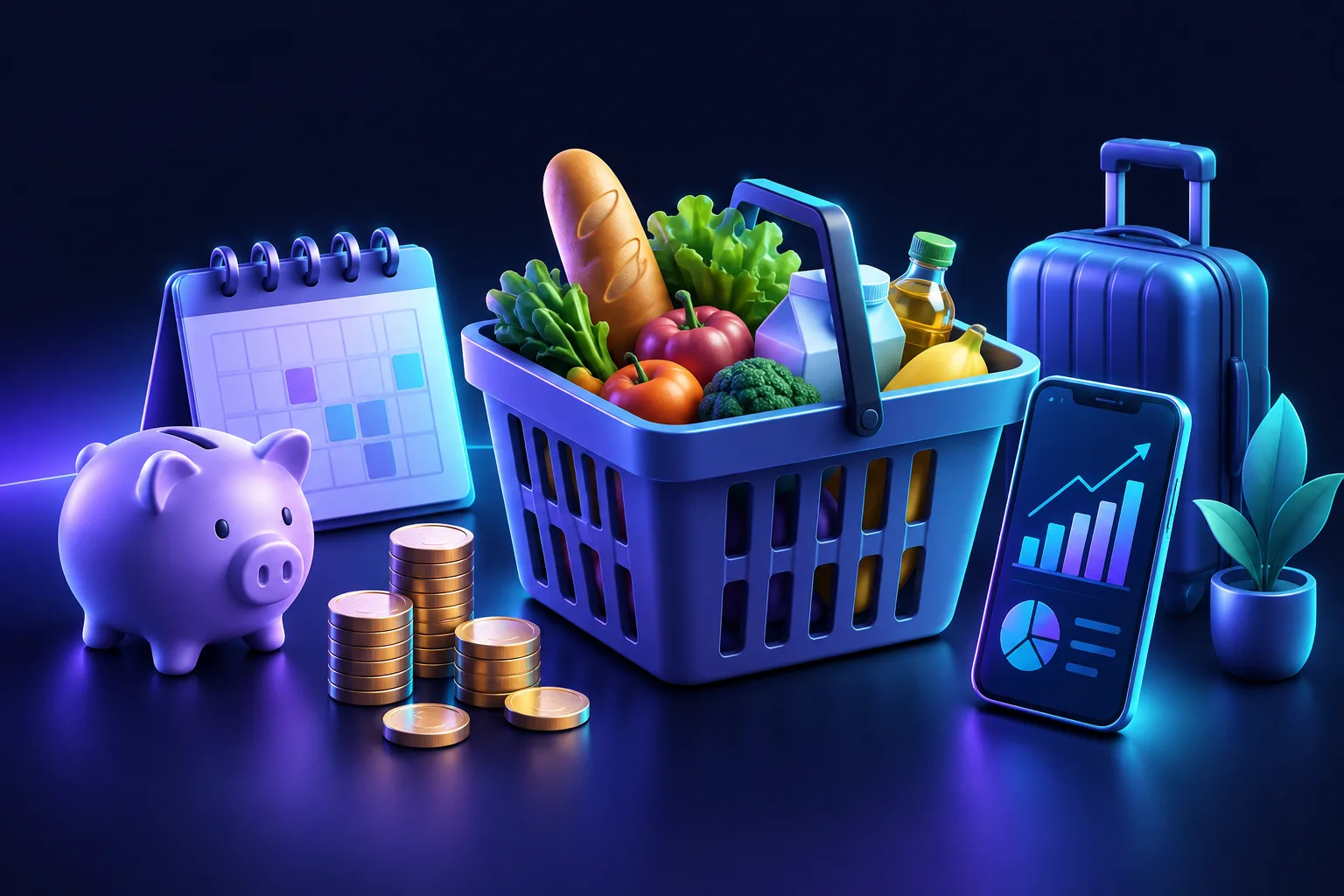
When prices are rising, plan your shopping basket around meals, a realistic spending limit and the items your household genuinely needs. Compare unit prices, choose flexible alternatives and reduce waste so you can protect your budget without relying on last-minute decisions or cutting essentials blindly.
How can you plan a shopping basket during inflation?
The best starting point is a written plan based on what you will use, rather than a list of products you usually buy. Inflation can make familiar items cost more over time, so a regular basket may no longer fit the same budget. A few minutes of planning helps you decide which purchases matter most and where you have room to adjust.
Before shopping, check what is already in your cupboards, fridge and freezer. Then plan several meals around those ingredients. If you have rice, beans and frozen vegetables, for example, you may only need a few fresh items to complete meals instead of buying ingredients for an entirely new set of recipes.
Set a spending limit for the trip or delivery before browsing. Treat it as a guide, not a reason to skip necessary food or household items. If your planned essentials exceed the limit, adjust the menu, look for suitable alternatives or divide non-urgent purchases across different trips.
Which items should you prioritize?
Prioritize items that support planned meals, meet household needs and would be difficult to replace with something already at home. A useful list separates essentials from optional extras, so a tempting offer does not crowd out something you actually need.
You might group your list into categories such as:
- Meal essentials: ingredients for breakfasts, lunches and dinners you expect to prepare.
- Household basics: toiletries, cleaning supplies or other items that are running low.
- Flexible choices: products that can be swapped for another brand, size or ingredient.
- Optional extras: treats and convenience items you can add only if they fit the budget.
Plan meals around versatile ingredients that can be used more than once. A bag of potatoes might work in a dinner, a soup and a lunch; a larger pack is only useful if you have a plan to use it before it spoils. Consider household preferences, dietary needs and how much storage space you have. A low price is not a saving if the food goes uneaten.
How do you compare prices fairly?
Compare the unit price and the amount you will use, not just the large number on the shelf label. Unit prices—such as cost per ounce, pound, kilogram or litre—can make different package sizes easier to compare. Check that you are comparing the same kind of product and that the larger size will not go to waste.
For example, an illustrative 16-ounce pack for $4 costs 25 cents per ounce, while an illustrative 24-ounce pack for $5.40 costs 22.5 cents per ounce. The larger pack is cheaper per ounce, but it is only the better choice if you can use or store the extra amount. These figures are examples, not current prices.
Also compare similar products across brands and stores when it is convenient. A lower-cost brand may suit a recipe just as well, while a premium version may be worth keeping for a product where you strongly prefer its taste or performance. Avoid making a special trip for a small saving without considering the extra time and transport cost.
Offers can be useful when they match your list, but a discount on something you would not otherwise buy still increases spending. Be cautious with multi-buy deals: work out the total cost and decide whether the quantity suits your household. If you want to understand how price changes affect a longer-term budget, try the inflation impact calculator.
How can you make a grocery budget work?
A practical budget gives each part of the basket a limit while leaving some flexibility for changing prices and unexpected needs. The right categories depend on your household, so use your own past spending as a starting point rather than copying someone else’s targets.
Here is a hypothetical weekly plan for a household with a $120 grocery budget. The amounts are illustrative, not current market prices:
| Category | Planned amount |
|---|---|
| Produce | $30 |
| Protein and dairy | $36 |
| Grains and pantry items | $24 |
| Household basics | $15 |
| Flexible buffer | $15 |
| Total | $120 |
Suppose the planned protein and dairy items come to $42 instead of $36. Rather than automatically spending $6 more, the shopper can check whether a different cut, brand or meal combination would work. They might also use part of the buffer, then keep the total at $120 by choosing fewer optional extras. The aim is not to make every category rigid; it is to make trade-offs visible before checkout.
For a household that tracks spending across more than groceries, a simple record can reveal which expenses are leaving less room for essentials. SaveMax’s subscription tracker and savings goals can help you review recurring costs and keep a separate goal for a shopping buffer.
How can you avoid impulse buys and food waste?
Shop with your list and, where possible, avoid browsing when you are rushed or hungry. Choose a basket or cart size that fits the planned shop, and pause before adding an unplanned item: would you buy it at full price, and do you know when you will use it? If the answer is no, leave it for another day.
Use a simple first-in, first-out routine at home: move older food to the front and put newly bought items behind it. Keep track of leftovers and plan a meal that uses them. If a recipe calls for an ingredient you rarely use, look for another meal that uses it too, or consider a suitable substitute you already have.
Freezing portions can help when you have more food than you can use soon, provided the item is appropriate for freezing and you label it clearly. Check storage guidance on packaging and follow safe handling instructions. Buying a larger pack makes sense only when the per-unit saving outweighs the risk of spoilage and the effort of storing it.
How often should you review your plan?
Review your basket and budget every few weeks, or sooner if your household needs change. Compare what you planned with what you actually spent, and note which items regularly push the total up. A short review is more useful than trying to track every small choice perfectly.
Look for patterns: perhaps lunches are often bought on the go, or a particular ingredient is repeatedly wasted. You can respond with a practical adjustment, such as preparing a few lunches at home or buying a smaller quantity. If you shop in the US and UK, remember that package sizes and labels differ; prices may be shown in dollars or pounds sterling (GBP), so compare costs using the same unit and currency before drawing conclusions.
Inflation and shopping decisions are easier to manage when you focus on what your household uses, compare value carefully and revisit the plan when prices or needs change. A flexible basket can help you stay within a limit while still making room for nutritious meals and necessary purchases.
Frequently asked questions
What is the first step to planning a shopping basket during inflation?
Check what you already have, plan meals around those ingredients and set a realistic spending limit before you shop. This reduces duplicate purchases and helps you focus on what you need.
Are larger grocery packages always better value?
No. Compare the unit price, then consider whether you can use or store the larger amount before it spoils. A lower unit price does not help if part of the package goes to waste.
How can I keep grocery spending within a set budget?
Separate essentials from optional items, use a written list and leave a small buffer for price changes. If the total is too high, consider suitable substitutions or adjust the meal plan before checkout.
Should I buy groceries just because they are on sale?
Only if the item fits your needs, budget and storage space. A discount on an unplanned purchase can still increase your total spending.